Skip to content
Maison Stravers
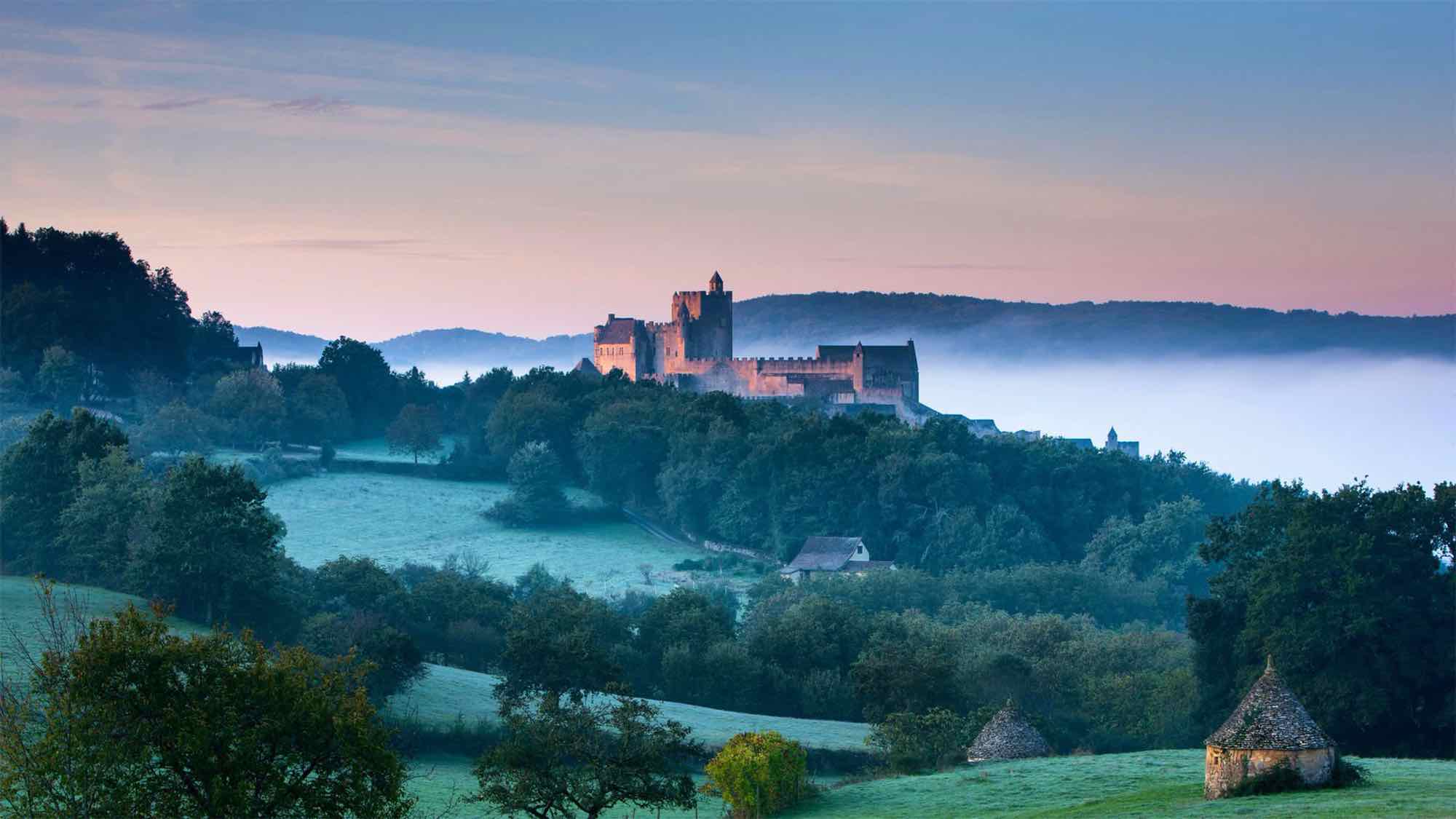
A château above the misty Dordogne valley in the Périgord at dawn

The House · Our story

A house, not a brand.

Maison Stravers makes the objects carried closest to the body. This is where it comes from, and why it makes what it makes.

I

The glove and the scent

Long before perfume came in a flacon, it came on the hand. In the sixteenth century the most coveted accessory at the courts of Europe was a pair of perfumed gloves — a gift between princes, a sign that its wearer belonged to a world of refinement.

Many of those gloves came from Grasse. The town in Provence was a centre of tanning, and tanning smells. Its glove-makers learned to soften the odour of the hides with the flowers that grew around them: jasmine, rose, orange blossom. Their skill became a craft of its own, and in the seventeenth century the glovers and perfumers of Grasse were recognised as a single guild — the gantiers-parfumeurs.

When tanning moved away, the perfumers stayed, and Grasse became the capital of French perfumery. But the origin remains: modern perfume was born as the finishing touch on an object that was carried, worn and handled every day.

Perfumery began in the hand. That is where this house begins too.

Maison Stravers takes that history literally. We are a fragrance house that makes leather goods, because for a long time those were never two different things.

II

A line from the Périgord

Part of the Stravers family line runs back to the Périgord, the green, limestone country along the Dordogne in south-west France. Generations ago ancestors settled there, at a time when Huguenot families were finding their own way across Europe.

What survives of that history is not a family tree on a wall. It is an attitude: a sense of proportion, of hospitality, of taking the time a thing deserves. Long tables, old stone, and the conviction that you only do something well when you stop rushing it.

That attitude is the reason the house exists. The aim was never to start a perfume label — there are enough of those. It was to build a house that translates a certain European art of living into objects, and that will still be recognisable in fifty years.
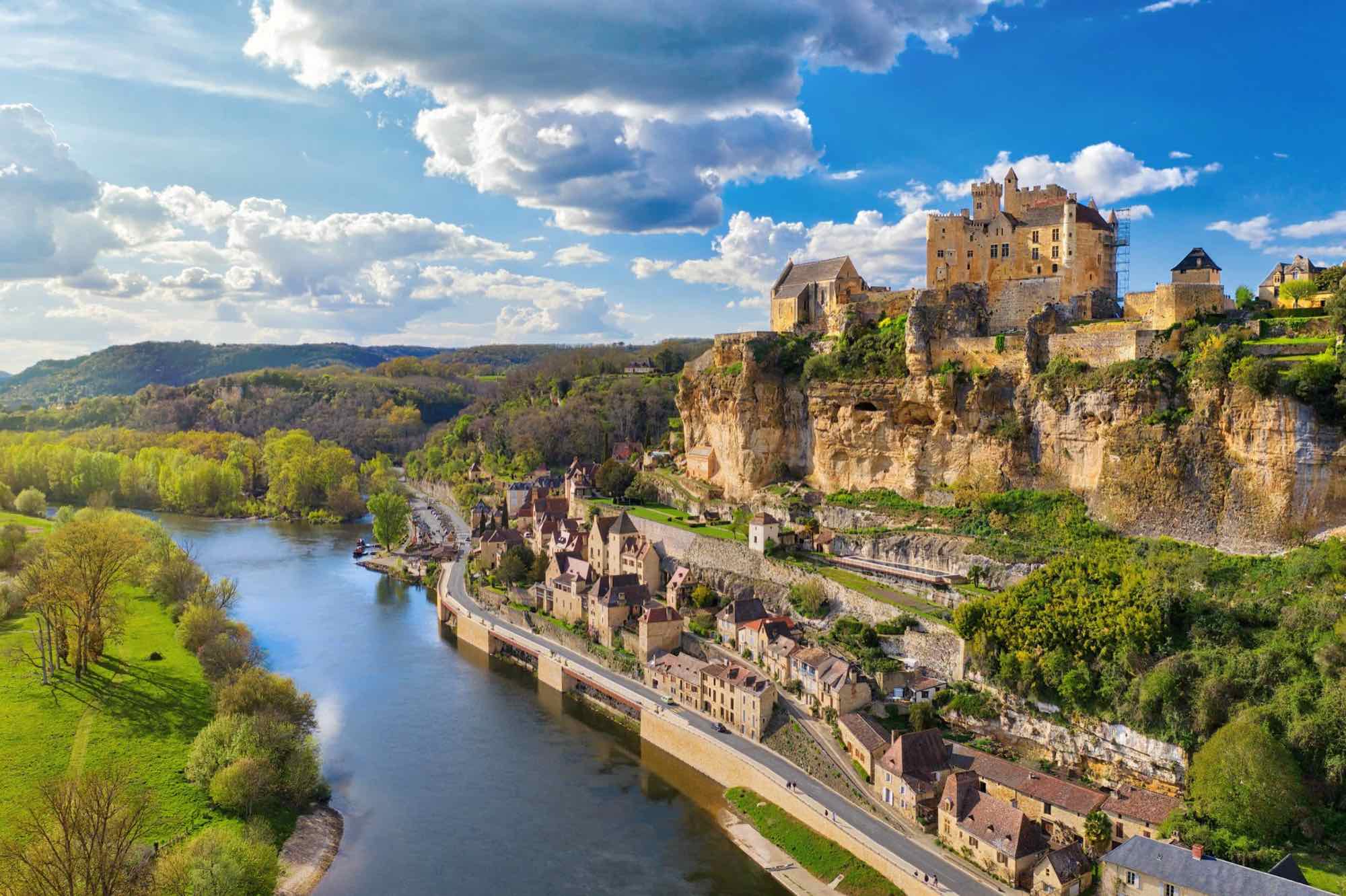
The village and castle of Beynac rising above the Dordogne river
The Dordogne at Beynac, Périgord.

III

Eight

There is a photograph of the founder as a toddler, sitting on a small toy racing car outside the house he grew up in. A number eight is painted on its bonnet. Almost fifty years later he stood beside his own car for the first photographs of Maison Stravers — and the number eight appeared again, as the emblem of Eight of Spades, the fragrance with which the house introduced itself.

It is not destiny, and it is not a marketing story. The number only acquired its meaning because fifty years lay between those two pictures: automobiles, aesthetics, entrepreneurship, history and craftsmanship, for decades separate interests, slowly organising themselves around the same centre.

The house did not begin on the day the first fragrance was composed. It emerged, once enough of a life had accumulated for its coherence to show.

The eight stayed. It is on the first fragrance, and it is in the eight card slots of the Portefeuille Huit.

IV

Four crafts

The house makes the things a person keeps nearest: what is worn on the skin, held in the hand, fastened to the wrist and carried in the pocket. Each craft is introduced only when it is ready.

  1. IFragranceEaux de parfum composed in France, worn close to the skin.Available
  2. IILeather GoodsGloves, wallets and card cases — the perfumed glove, revived.In the atelier
  3. IIIWatchesA quiet timepiece, in study.Forthcoming
  4. IVKnivesA pocket knife for the table and the road.Forthcoming

Fragrance is the first language of the house. Leather is its oldest companion. A watch and a knife will follow, because they belong to the same family of objects: things that are carried every day, that gain character with use, and that are eventually handed on.

V

What we refuse

Luxury whispers. It belongs to people who know that real class is timeless, never fashionable. So the house refuses a few things on principle.

No seasonal collections and no launches for the sake of a calendar. No mass production. No logos that shout from across a room. No ingredient, hide or finish chosen because it is cheaper. And no object that is not worth carrying every day.

The houses we admire — the old maisons of Paris, the Italian family houses — do not primarily sell a product. They cultivate a world in which the product makes sense. Culture, beauty, craftsmanship and hospitality come first; the collection follows.

VI

Father and son

Thierry Stravers, founder and creative director, sets the direction of the house: the fragrances, the objects, the partners and the taste in which everything comes together. He writes the Founder Stories in the Journal.

Luca Anthonie Stravers, co-founder, builds the world the house moves in — its digital foundation, its presentation, and the translation of the story into everything you see here. One of the five fragrances carries his name.

“People don’t buy a flacon. They buy a place in a story. Our task is to make sure the story is worth it.”

Chronology

From Grasse to now.

  1. XVII c.Glove-makers and perfumers of Grasse are recognised as one guild — the gantiers-parfumeurs.
  2. Generations agoA branch of the Stravers family settles in the Périgord, along the Dordogne.
  3. MMXXIVThierry and Luca Stravers found the house.
  4. The firstEight of Spades — the fragrance with which the house introduces itself.
  5. ThenJoséphine joins the boutique, with an Automotive Edition for the car and the house.
  6. MaturingMaximillian, Luca and Valentine complete the first five eaux de parfum.
  7. NowThe leather atelier: Le Gant de Grasse, Portefeuille Huit, Porte-Cartes, Étui à Flacon.
  8. NextA quiet timepiece and a folding knife, in study.